

*This story is a follow up to Young Vagina, Old Heart
Every year the same routine: the dreaded CT angiogram. The scan that tells you whether all the work, the drugs, the exercise, the diet, the constant vigilance has mattered at all.
This year was no different. As I drove through Los Angeles traffic to my cardiologist’s office, my hands gripped the steering wheel a little tighter than usual. The what-ifs were relentless. What if nothing had changed? What if six years of discipline, fear, and determination still hasn’t moved the needle? Or what if it was worse?
I had already prepared myself for the answer I’d gotten before: Stable, no progression. Not worse, which was good, but not better either.
But this time, it was different.
This time, the hard work had finally paid off. He looked over all my reports and said the words I had been waiting for six years to hear: “I’m seeing reversal.”
The stenosis was better. The plaque was regressing. There was a 30 percent increase in the blood flow to my heart. It was all good news.
Saying I cried tears of joy would be putting it mildly. My first instinct was to leap off the exam table and tackle my cardiologist in a life-saving hug. Even I know that’s socially unacceptable. So instead, I settled for thanking him properly for being the first doctor to actually take my family’s heart history seriously and, frankly, for saving my life. Because let’s be real: without him, I might not even be here to tell this story.
I’m writing this for anyone with heart disease who is scared and just wants clear, actionable answers and real solutions, especially for women who are so often dismissed because heart disease is still seen as a “man’s disease.”
Can I tell you exactly what resulted in this positive outcome? Not for sure, but I can tell you that after being diagnosed with heart disease, I took the diagnosis seriously.
I followed the advice of my cardiologist, a research specialist in atherosclerosis and preventive cardiology who has authored more than 1,000 papers on reversing heart disease through lifestyle changes, prescription drugs, and supplements.
I did it all. I treated it like a full-time job with overtime.
I’m sharing what worked for me, in detail. The notes in bold that follow each of the protocol below are important to read because I explain the tests, why these drugs were prescribed and why I take them.
I want to add that I’m aware of the privilege I have in this moment. I have health insurance and lifetime benefits from my former college teaching job. My already broken heart breaks even more for the people who don’t, those who can’t afford coverage at all or who pay astronomical premiums for insurance that barely protects them. The healthcare system in the U.S. is a mess, and too often whether you live or die comes down to what you can afford. My advice is to advocate for yourself. Read the research. Ask questions. Look for hospitals running clinical trials. Do whatever you can to protect your health because no one will fight for it harder than you.
Diagnostic Tests
No doctor’s order required at many radiology facilities
Coronary Artery Calcium CAC scan: A CAC score is a number doctors get from a quick, non‑invasive heart CT scan that measures how much calcium has built up in the walls of your coronary arteries, an indirect sign of atherosclerotic plaque and heart disease risk. A score of 0 means no detectable calcium and generally a low risk of a heart attack in the near future, while higher numbers suggest more calcium and a greater likelihood of plaque buildup and cardiovascular risk. Mine was 256, all in Left Anterior Descending Artery LAD, aka “The Widowmaker.” *Insurance does not cover. Average cost is $99. Everyone should have one. This is how I found out I had coronary artery disease.
Ordered by Standard of Care cardiologist who said I was fine
Nuclear Stress Test: A heart imaging test that shows how well blood flows through your heart muscle, both at rest and during activity. Mine was normal. This test only shows blockages 70 percent or more. *Most insurance will cover
Lab Tests: Complete Blood Count CBC (normal), Metabolic Panel: Glucose: 170, Lipid Panel: Total Cholesterol 280, Triglycerides 272, LDL 172, A1C 6.6, HS-CRP 10 Homocysteine 14 (All abnormal) *Most insurance covers
Ordered by my research cardiologist who said I wasn’t fine and is now managing my heart disease
CT Angiogram: A non-invasive CT scan that takes detailed images of your heart and blood vessels. It helps doctors see blockages or narrowing in your coronary arteries, assess plaque buildup, and evaluate your risk for heart disease. Mine showed coronary artery disease with a large percentage of vulnerable mixed plaque and a 50-60 percent stenosis (blockage) in the LAD. CAC score is also calculated as part of the test. *Most insurance covers. I have this test done yearly.
Cleerly Study: An advanced form of coronary artery imaging that uses AI‑enhanced analysis of a CT angiogram to create a detailed 3D view of your coronary arteries, showing not just blockages but the type, amount, and location of plaque buildup. Allows doctors to more accurately assess your heart disease risk and tailor prevention or treatment strategies based on what’s actually happening in your arteries. Mine showed large plaque burden in the LAD with a large percentage of vulnerable mixed plaque and a 62 percent stenosis. *Insurance does not cover. Cost: $950. I have it done yearly with CT Angiogram. Is it expensive? Yes, but for me, it’s worth it.
FFrct: Advanced test that combines a CT angiogram with computational analysis to measure how well blood flows through the coronary arteries. It helps doctors determine whether a blockage is actually limiting blood flow and causing risk, guiding decisions about treatment without needing an invasive procedure. Mine was .61 in the LAD which equals a 30 percent reduction in blood flow to the heart. *Most insurance covers it if your cardiologist feels its warranted. I have this done yearly with the CT Angiogram.
Lab tests: Ordered a complete genetic heart panel that included the LPa aka “heart attack gene.” Mine was negative. Positive for the MTHFR gene, which runs in my father’s side of family that presents with an elevated homocysteine. *If you knew my family, you would understand why the acronym fits perfectly.
Blood tests run every three months: CBC, Metabolic Panel, Lipid Panel, A1C, HS-CRP, APOB, Homocysteine. Insurance covers.
My Current Drug Protocol
Crestor (rosuvastatin) A prescription statin medication used to lower “LDL cholesterol and reduce the risk of heart attack and stroke. It works by blocking a liver enzyme involved in cholesterol production, helping prevent plaque buildup in the arteries. I’m on 10 mg daily Started six years ago. My LDL stayed between 90-100 but new studies show that for people with Coronary Artery Disease, an LDL below 70 is not only beneficial, but sometimes result in reversal. He explained that raising the dosage will not ever get the LDL down below 70. *I have Familial hypercholesterolemia FH He decided to add a PCSK9 inhibitor (Repatha).
Repatha An injectable medication that helps lower LDL cholesterol by blocking a protein called PCSK9, which allows the liver to remove more cholesterol from the blood. Prescribed for people at high risk of heart disease who need extra help beyond statins. I am on 140 mg twice monthly. I started taking this two years ago. My cholesterol numbers are now all normal and my LDL is below 30.
Ramipril A prescription medication called an ACE inhibitor that helps lower blood pressure and reduce strain on the heart. By relaxing blood vessels, it makes it easier for the heart to pump blood and helps prevent heart attacks, strokes, and other heart-related complications. I take 5 mg. once daily. I do not have high blood pressure but I get agitated easily, especially in LA traffic or when reading politics, so I’m on this to keep my blood pressure from spiking. My BP stays at about 110/70
Colchicine An anti-inflammatory medication primarily used to treat and prevent gout flares, and reduce cardiovascular risk in patients with coronary disease. I take 0.6 mg. My HS-CRP is now under 2.
Jardiance: A prescription medication for people with type 2 diabetes that lowers blood sugar and helps protect the heart. It works by helping the kidneys remove excess glucose through urine, which can reduce the risk of heart attack, heart failure, and other cardiovascular complications. I take 10 mg daily for my blood sugar spikes. I do not have Type II diabetes but I have been pre-diabetic for years.
Mounjaro A prescription medication that helps lower blood sugar, support weight loss, and reduce the risk of heart attacks in people with type 2 diabetes. It works by mimicking natural hormones that regulate insulin and appetite, improving blood sugar control and overall metabolic health. I take 5 mg. injectable weekly. After my CT angiogram in 2025 was still the same with no improvement, and my glucose continued to spike even when fasting, I was put on a low dose of Ozempic. The side effects of nausea were so bad that I was switched to Mounjaro. I have been on GLP-1s for nine months. Glucose spikes and chronically high blood sugar damage the endothelial lining of blood vessels, leading to inflammation that encourages plaque buildup in the heart. My glucose no longer spikes and I have no side effects.
Low Dose Aspirin: I take 81 mg once a day
I wear a Freestyle Libre 15 day continuous glucose monitor. Since starting the GLP-1, my glucose is normal for the first time ever.
Supplements
High Absorption Magnesium Lysinate Glycinate 200 mg, 2 tablets twice daily
Wild Alaskan salmon oil: 1,000 mg, 1 gel tab twice daily
Co Q10 100 mg once daily
Kyolic Aged garlic 600 mg 2 tablets twice daily
Vitamin D3 125 mcg once daily
Nattokinaise 2,000 FUs, 2 tablets twice daily, plus fresh natto (from the Asian market) once daily
Diet
I eat a low carb Mediterranean diet that consists mostly of fish (especially salmon), chicken, eggs, vegetables (mostly greens), tomatoes, avocados, a very small amount of fruit, usually berries, dark chocolate and coconut. I use olive oil and don’t use seed oils. I stay away from potatoes, pasta, bread, rice, and occasionally eat beans and whole grains like farro. Small amounts of cheese and sugar free Greek yogurt. Almond butter on protein bread. No processed foods, junk food or fast food. No sugar. For snacks, I eat veggies and hummus or salsa, and Khloe Kardashian’s Khloud olive oil popcorn. Love coffee, red wine and prosecco. And yes, I occasionally indulge in a small amount of pasta or a small piece of pizza, but it better be a really good one.
Exercise
Treadmill: 30-40 minutes a day, five days a week
Pilates: Twice weekly
Weights: 3-4 times a week
Dance whenever I feel like it, because why not?
Results of All Tests As Of March 2026
CAC Score: 370 (average increase is 20-25% per year) Mine has only increased by 117 points in six years, which equals about 7.5% per year.
CT Angiogram: Improved from 2025: LAD stenosis decreased, plaque went from severe to moderate. No new lesions.
Cleerly Study showed plaque volume decrease and mostly all calcified plaque in LAD, changed from 2025 which showed about 50 percent of non-calcified mixed plaque, the kind more vulnerable to rupture.
FFRct: Showed a 30 percent increase of blood flow to my heart. This is a BIG deal.
Bloodwork (all normal) Lipids: Total cholesterol 135, Triglycerides 98, LDL 22, HS CRP 2.2, APOB 34, Homocysteine 11, Hemoglobin A1C 5.4
Life is too good to ever give up, and I’m done letting my heart, the one in my chest and the one that loves big, be run over by fear, doctors who won’t listen, or anyone else.
So here’s my advice to every woman and human out there, whether you’re dealing with troubling symptoms, worrisome family histories, or symptoms of heart disease, cancer, autoimmune issues, or anything else: SCREAM UNTIL SOMEONE ACTUALLY HEARS YOU!
Never be intimidated by a white coat because these doctors took an oath to do no harm, and ignoring you counts as harm. And if you run into a doctor who refuses to listen, treat them like your Waze app trying to save you one minute by taking you on an unwanted tour of the city: ignore the directions and find a new route.
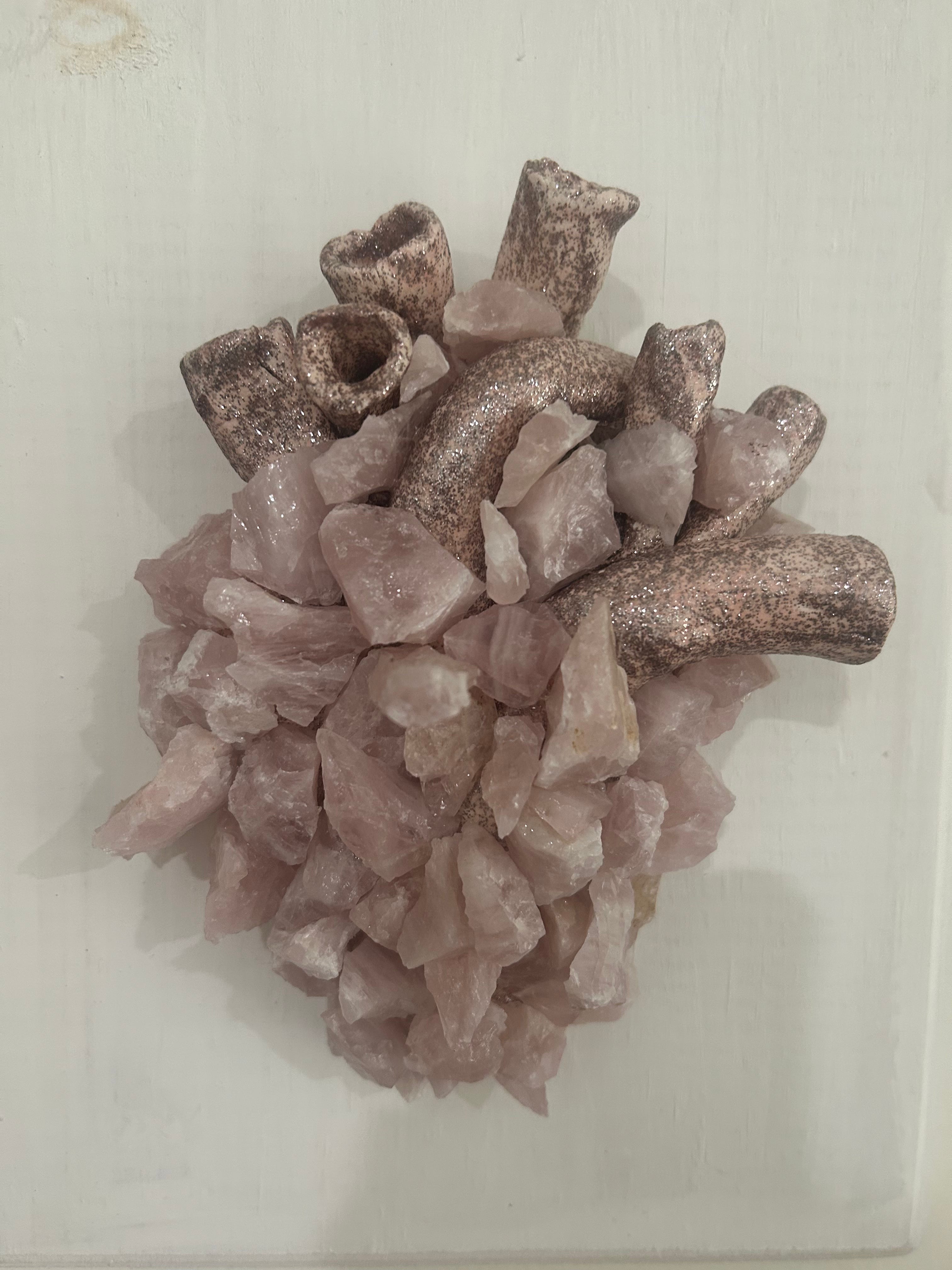
Note: The art used in this story was created by a So Cal Chilean artist who is also the mother of one of my former students and current photojournalist, Pablo Unzueta. I admired this piece and sent her a note about how much I loved it. I told her about how I had just been diagnosed with heart disease and she sent it to me, as a gift, out of love. It’s one of the most beautiful things I’ve ever seen and it hangs in my home office. I look at it and am inspired to keep going. Give her art a look and support her. She’s a talented badass.
Lovely and detailed account. i'm also dealing with athlerosclerosis in addition to Afib. This is very helpful.